

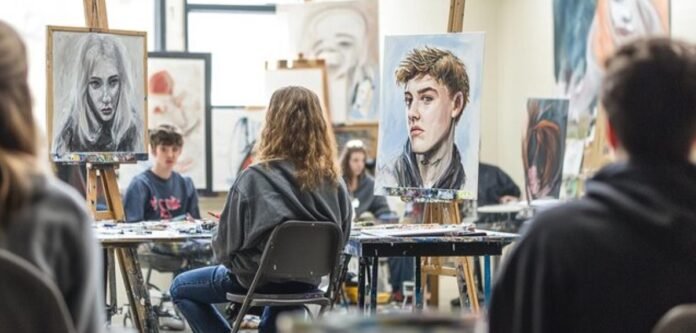
Digital technology has significantly changed the way art is created and experienced. Digital art combines creativity with modern tools such as graphic tablets, software applications, and advanced design programs. These tools allow artists to explore new styles and techniques that were previously impossible with traditional materials.
One of the biggest advantages of digital art is flexibility. Artists can easily modify colors, shapes, and compositions without damaging the original work. This ability encourages experimentation and allows creators to develop new ideas quickly.
Digital art also plays a major role in modern entertainment industries. Film production, animation, advertising, and video game development rely heavily on digital artists to design characters, environments, and visual effects. These professionals combine artistic imagination with technical skills to create engaging experiences.
Another benefit of digital art is accessibility. With the right tools and software, artists can create professional quality artwork from almost anywhere. This accessibility has allowed more people to explore creative careers and share their work with global audiences.
The internet has further expanded the reach of digital art. Online platforms allow artists to publish portfolios, participate in virtual exhibitions, and connect with potential clients or collectors. These digital communities help artists gain recognition and build creative networks.
Despite these technological advancements, traditional art remains highly respected. Many artists combine classical drawing and painting techniques with digital tools to create hybrid styles. This blend of traditional and modern methods results in unique artistic expressions.
Digital art represents the future of creative expression. As technology continues to evolve, artists will have even more opportunities to explore innovative ways of communicating ideas through visual storytelling.
I’ve been searching for a reliable tattoo artist near me, and it’s great to come across this post highlighting the importance of skilled artistry in tattoos. Finding the right tattoo artist near me has always been a challenge, but posts like these really help in making an informed choice. Thanks
I’ve been searching for custom Asian tattoo designs near me and this post really helped clarify what to look for in a skilled artist. It’s so important to find someone who understands the cultural significance behind the designs, not just the aesthetics. Thanks for sharing these insights—definitely bookmarking this for
I recently discovered a fantastic service for art framing Miami locals should definitely check out. Their attention to detail and quality craftsmanship truly enhance the beauty of any artwork. Whether you're a collector or just looking to preserve a special piece, expert art framing Miami providers can make all the
I recently discovered the Spray Brushes Procreate set and it has completely transformed my digital graffiti art. The texture and variety these brushes offer feel incredibly authentic, making it easier to achieve that street art vibe in my projects. If you're into urban art or want to add some edgy
Mark Hellbusch versteht es meisterhaft, Kunst mit grünen Farben lebendig werden zu lassen. Seine Werke strahlen eine besondere Frische und Lebendigkeit aus, die den Betrachter in eine beruhigende, naturnahe Welt entführen. Besonders beeindruckend finde ich, wie er verschiedene Grüntöne harmonisch kombiniert und dabei eine faszinierende Tiefe schafft.
I absolutely love how the vintage Africa globe canvas wall art brings a unique blend of history and culture into any space. It’s not just decorative but also a meaningful piece that celebrates African heritage in a timeless way. This kind of art adds depth and character to a room,