

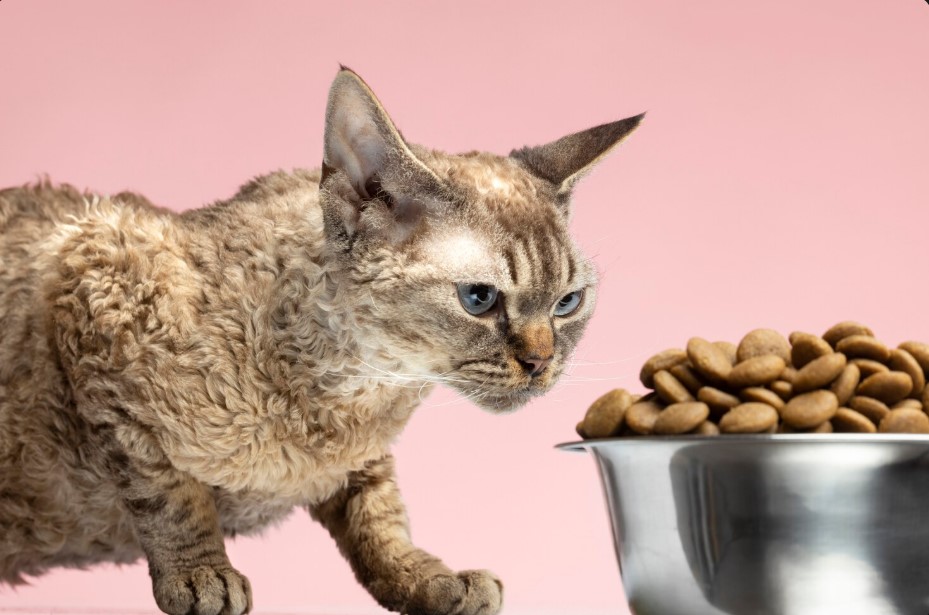
Choosing the right food for your cat can feel overwhelming. Walk into any pet store or browse online, and you’re instantly faced with dozens of brands, formulas, and promises, “high protein,” “grain-free,” “vet approved,” and many more. Among all these options, dry cat food remains one of the most popular choices for cat parents worldwide.
But is dry cat food actually good for cats? And how do you identify the best dry cat food for your feline’s unique needs?
This guide breaks it all down, how dry cat food is made, benefits and drawbacks, what ingredients truly matter, and how to choose a formula that supports your cat’s health at every lifestage.
What Is Dry Cat Food and How Is It Made?
Dry cat food, often called kibble, is a shelf-stable pet food made by combining ingredients such as meat proteins, grains or legumes, fats, vitamins, and minerals. These ingredients are mixed into a dough, cooked at high temperatures (usually through extrusion or baking), shaped into small pieces, and then dried to remove moisture.
Common Production Methods
- Extrusion: The most common method, using heat and pressure to cook and shape kibble.
- Baking: A slower process that some believe helps retain flavor and texture.
While the manufacturing method matters, ingredient quality and nutritional balance play a much bigger role in determining whether a dry cat food is healthy.
Benefits of Feeding Dry Cat Food
Dry cat food continues to be a staple for good reason. When chosen carefully, it offers several practical and nutritional advantages.
Convenience and Storage
Dry cat food is easy to store, has a long shelf life, and doesn’t require refrigeration. This makes it ideal for busy pet parents or multi-cat households.
Dental Health Support
The crunchy texture of dry cat food can help reduce plaque buildup by gently scraping the teeth as cats chew. While it doesn’t replace brushing, it can support better oral hygiene when combined with regular dental care.
Cost-Effective Nutrition
Compared to wet food, dry cat food is generally more affordable per serving. High-quality dry formulas can provide complete and balanced nutrition without breaking the budget.
Easy Portion Control
Dry cat food works well with automatic feeders and measured meals, making it easier to manage portions and feeding schedules.
Potential Drawbacks of Dry Cat Food (and How to Address Them)
While dry cat food offers many benefits, it’s not without limitations.
Lower Moisture Content
Cats naturally have a low thirst drive. Since dry cat food contains very little moisture, some cats may not drink enough water, increasing the risk of urinary or kidney issues.
Solution: Encourage hydration by providing fresh water, using water fountains, or combining dry cat food with wet food.
Risk of Overfeeding
Free-feeding dry cat food can lead to overeating and weight gain, especially in indoor cats.
Solution: Measure portions carefully and follow feeding guidelines based on your cat’s weight, age, and activity level.
Ingredient Quality Varies
Not all dry cat foods are created equal. Low-quality options may contain fillers, artificial additives, or vague protein sources.
Solution: Focus on ingredient transparency and nutritional value rather than marketing claims.
How to Choose the Best Dry Cat Food for Your Cat
Selecting the best dry cat food means looking beyond flashy packaging and understanding what actually benefits your cat.
Prioritize High-Quality Protein
Cats are obligate carnivores, meaning they require animal-based protein to thrive. Look for named protein sources such as chicken, turkey, salmon, or lamb as the first ingredient.
Understand the Ingredient List
- Avoid excessive fillers like corn gluten meal or unnamed meat by-products
- Look for added taurine, an essential amino acid for cats
- Healthy fats such as chicken fat or fish oil support skin and coat health
Check for Nutritional Standards
Ensure the dry cat food meets AAFCO nutritional standards for your cat’s lifestage. This ensures the food is complete and balanced.
Best Dry Cat Food by Lifestage
Cats have different nutritional needs throughout their lives, and the right dry cat food should match those needs.
Best Dry Cat Food for Kittens
Kittens require higher protein, fat, and calorie content to support growth and development. Look for formulas designed specifically for kittens, with DHA for brain development and easily digestible proteins.
Best Dry Cat Food for Adult Cats
Adult cats benefit from balanced nutrition that supports muscle maintenance, energy levels, and weight management. Indoor cat formulas often include controlled calories and fiber to reduce hairballs.
Best Dry Cat Food for Senior Cats
Senior cats may need lower calories, joint-supporting nutrients, and ingredients that are easier to digest. Some senior dry cat food formulas also support kidney and urinary health.
Grain-Free vs. Grain-Inclusive Dry Cat Food
This debate often confuses cat owners.
Grain-Free Dry Cat Food
Grain-free formulas replace grains with ingredients like peas, lentils, or potatoes. These diets may help cats with grain sensitivities but are not inherently healthier for all cats.
Grain-Inclusive Dry Cat Food
Whole grains like rice or oats can be a digestible source of energy when used appropriately. Many cats tolerate grains without issue.
Key takeaway: The quality of protein matters more than whether a food is grain-free or grain-inclusive.
How Much Dry Cat Food Should You Feed?
Feeding the correct amount of dry cat food is just as important as choosing the right formula.
Factors That Affect Feeding Amounts
- Age
- Weight
- Activity level
- Spay/neuter status
Always follow the feeding guidelines on the packaging and adjust based on your cat’s condition. Monitor weight regularly and consult a veterinarian if you’re unsure.
Common Mistakes Cat Owners Make with Dry Cat Food
Even well-meaning cat parents make feeding mistakes.
- Free-feeding without portion control.
- Ignoring ingredient quality.
- Switching foods abruptly without a transition period.
- Assuming all dry cat food is nutritionally equal.
Avoiding these mistakes can significantly improve your cat’s long-term health.
How to Transition to a New Dry Cat Food Safely
Cats can be sensitive to sudden dietary changes.
A Simple Transition Schedule
- Days 1-2: 75% old food, 25% new food
- Days 3-4: 50% old food, 50% new food
- Days 5-6: 25% old food, 75% new food
- Day 7: 100% new food
Watch for signs like vomiting, diarrhea, or refusal to eat, and slow down the transition if needed or consult a vet.
Upcoming Trends in Dry Cat Food
The dry cat food industry continues to evolve.
High-Protein and Limited-Ingredient Diets
More brands are focusing on biologically appropriate diets with fewer ingredients.
Functional Nutrition
Dry cat food now often includes targeted benefits such as urinary health, hairball control, digestive support, and skin health.
Sustainability
Eco-friendly packaging, responsibly sourced proteins, and reduced food waste are becoming increasingly important to pet parents.
Final Thoughts: Choosing the Right Dry Cat Food
Dry cat food remains a practical and effective feeding option for millions of cats. When chosen thoughtfully, the best dry cat food can support strong muscles, healthy digestion, dental care, and overall wellbeing.
The key is understanding your cat’s individual needs, reading labels carefully, and feeding responsibly. With the right approach, dry cat food can be a reliable foundation for a long, healthy, and happy feline life.
Frequently Asked Questions About Dry Cat Food
Is dry cat food healthy for cats?
Yes, high-quality dry cat food can be healthy when it meets nutritional standards and is fed in proper portions.
Can cats eat only dry cat food?
Some cats do fine on dry cat food alone, but many benefit from a mix of wet and dry food to support hydration.
How do I know I’m choosing the best dry cat food?
Look for named animal proteins, complete nutrition, and formulas suited to your cat’s lifestage.
Should I mix wet and dry cat food?
Yes, combining wet and dry cat food can provide hydration benefits while maintaining convenience.
How long does dry cat food stay fresh?
Once opened, dry cat food should ideally be used within 4-6 weeks and stored in an airtight container.