

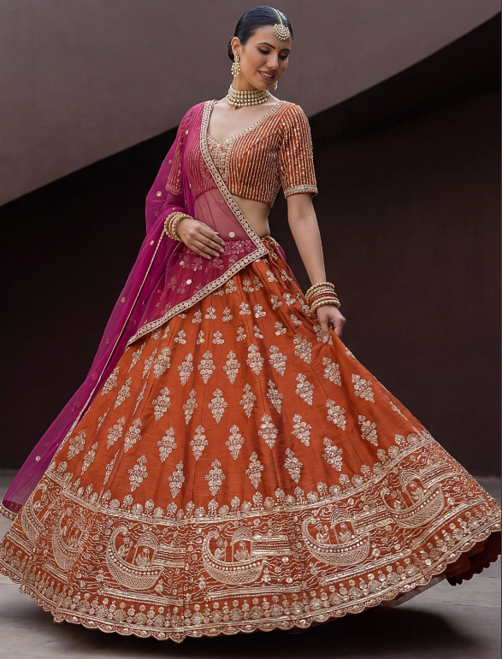
Choosing bridal wear is one of the most exciting parts of wedding planning, but it can also feel overwhelming. With countless colours, fabrics, and styles available today, many brides often find themselves deciding between a wedding lehenga for women and a traditional wedding saree. Both outfits carry timeless elegance and cultural significance, making the choice deeply personal.
Some brides dream of a heavily embroidered lehenga that creates a royal bridal appearance, while others prefer the grace and tradition of a saree. Since wedding photographs and memories last forever, selecting the right outfit often becomes one of the most meaningful decisions during bridal shopping. The good news is that there is no universal answer. The perfect bridal outfit depends on personal style, comfort, wedding rituals, and the kind of look a bride wants to create.
Why Bridal Fashion Has Become More Personal
Wedding fashion has evolved considerably over the years. Earlier, brides often followed fixed traditions regarding colours and outfit styles. Today, however, bridal fashion feels far more personal.
Modern brides prioritise individuality and comfort alongside tradition. Some prefer classic red bridal outfits, while others experiment with pastels, jewel tones, or minimal embroidery. Similarly, outfit choices are no longer limited to one standard silhouette.
This shift has made bridal shopping more exciting but also more confusing, especially when deciding between lehengas and sarees.
Why Many Brides Prefer Wedding Lehengas
Lehengas continue to dominate bridal fashion because they effortlessly create a grand and statement-making appearance.
One reason many brides choose lehengas is their dramatic silhouette. Heavy embroidery, layered skirts, and detailed dupattas naturally create a regal bridal look suitable for wedding ceremonies and photographs.
Another advantage is flexibility in styling. Brides can experiment with blouse cuts, dupatta draping, jewellery combinations, and embroidery styles to personalise the final look.
Comfort also plays an important role. Many brides find lehengas easier to move around in, especially during long ceremonies or dance functions. For brides who want a royal and modern bridal aesthetic, lehengas often feel like the natural choice.
Why Wedding Sarees Continue to Hold Timeless Appeal
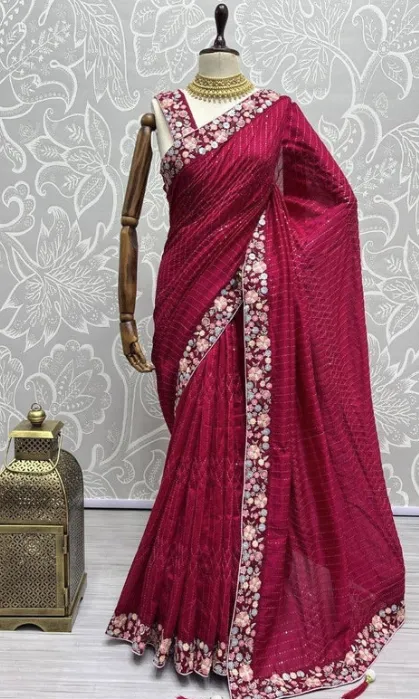
Despite changing trends, the wedding saree remains one of the most elegant choices in bridal fashion. Many brides continue choosing sarees because of their cultural significance and timeless beauty. A bridal saree often carries emotional value, especially in families where traditional wedding attire forms an important part of customs.
Sarees also offer unmatched elegance. Rich silks, Banarasi weaves, zari work, and handcrafted embroidery naturally create sophisticated bridal looks without requiring excessive layering.
Another advantage is versatility. A bridal saree can often be worn again during anniversaries, festive occasions, or family celebrations, making it feel more timeless and practical. For brides who value tradition and understated elegance, sarees often feel deeply meaningful.
Which Outfit Feels More Comfortable?
Comfort matters far more than many brides initially realise. Wedding functions often involve long ceremonies, photographs, rituals, and hours of movement. Lehengas usually offer easier mobility, particularly for brides who want convenience during wedding celebrations. Their stitched structure often feels simpler to manage.
Sarees, however, require proper draping and handling. Some brides may initially find them less practical, especially if they are not used to wearing sarees regularly.
That said, comfort largely depends on personal familiarity and confidence. Trying different styles before making a final decision often helps brides understand what feels most natural.
Choosing Based on Wedding Style
The overall wedding atmosphere often influences outfit choices. For grand destination weddings or elaborate celebrations, lehengas often feel more visually dramatic and photograph beautifully. Traditional ceremonies rooted in cultural customs may naturally complement sarees, particularly in families where regional bridal traditions remain important.
Season also matters. Lightweight sarees may feel more comfortable during summer weddings, while heavily embroidered lehengas often suit winter celebrations better. The outfit should feel aligned with both the occasion and personality.
Can Brides Combine Both?
Many brides today no longer limit themselves to one bridal outfit. It has become increasingly common to wear a lehenga for one function and a saree for another. Some brides choose sarees for traditional ceremonies and lehengas for receptions or pre-wedding celebrations. This approach offers the best of both worlds while allowing greater styling flexibility. Bridal fashion today is more about personal expression than strict rules.
Conclusion
Choosing between a lehenga and a saree ultimately comes down to personal comfort, tradition, and style preferences. While lehengas offer dramatic elegance and modern bridal appeal, sarees continue to represent timeless sophistication and cultural beauty.
Rather than focusing only on trends, brides should prioritise what makes them feel confident and comfortable on their special day. After all, the perfect bridal outfit is not simply the most fashionable one; it is the one that truly feels like you.